Notes
Back to articles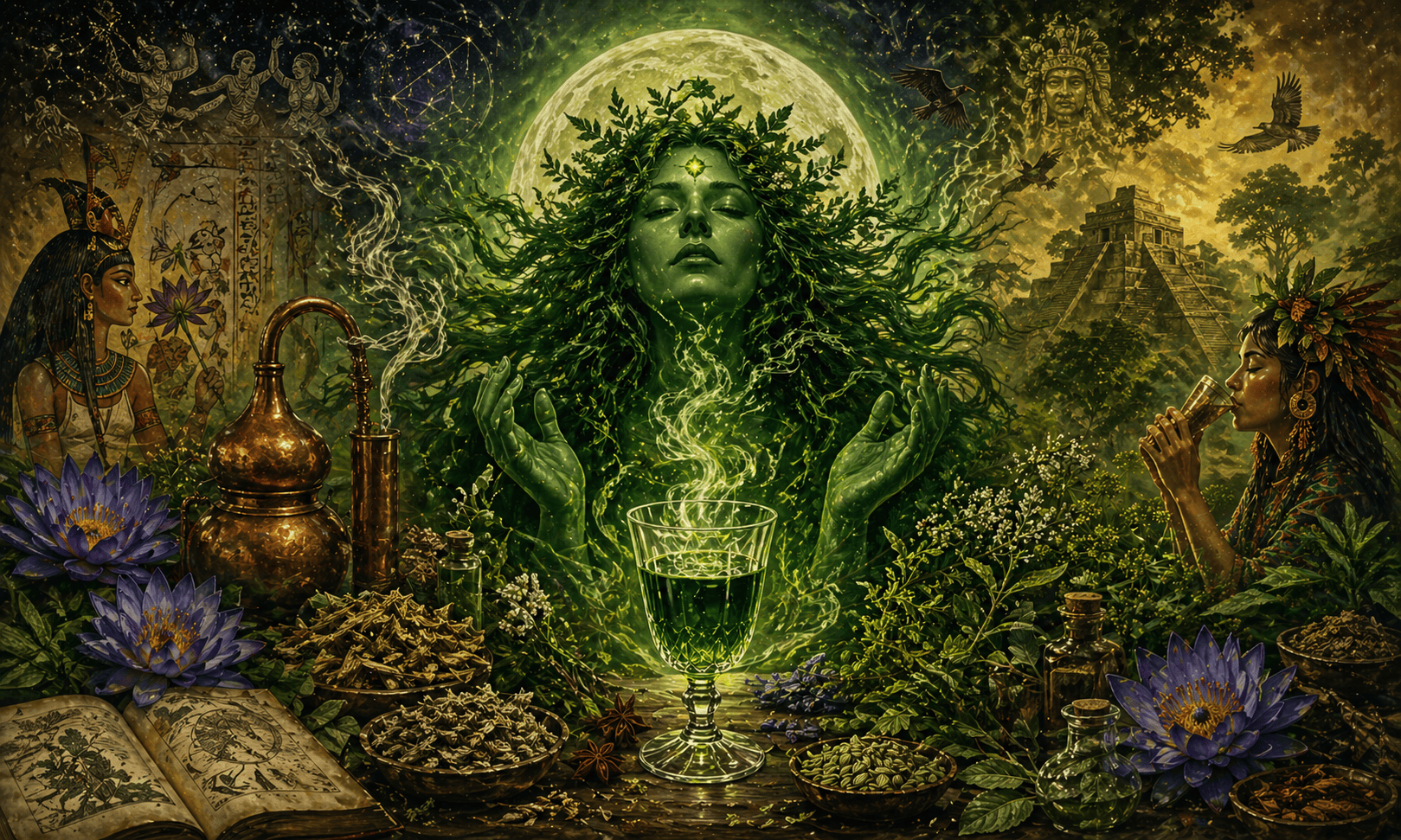
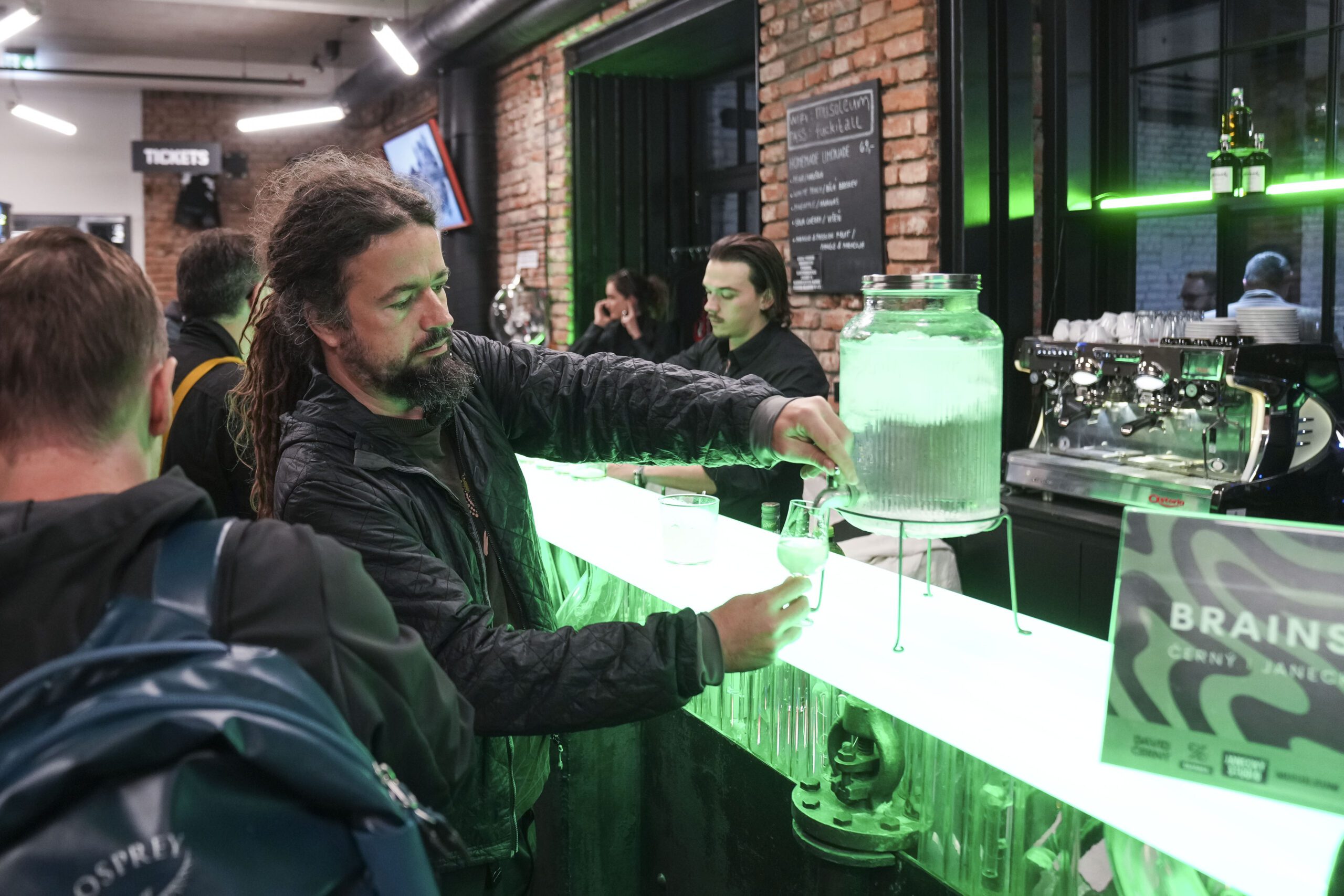
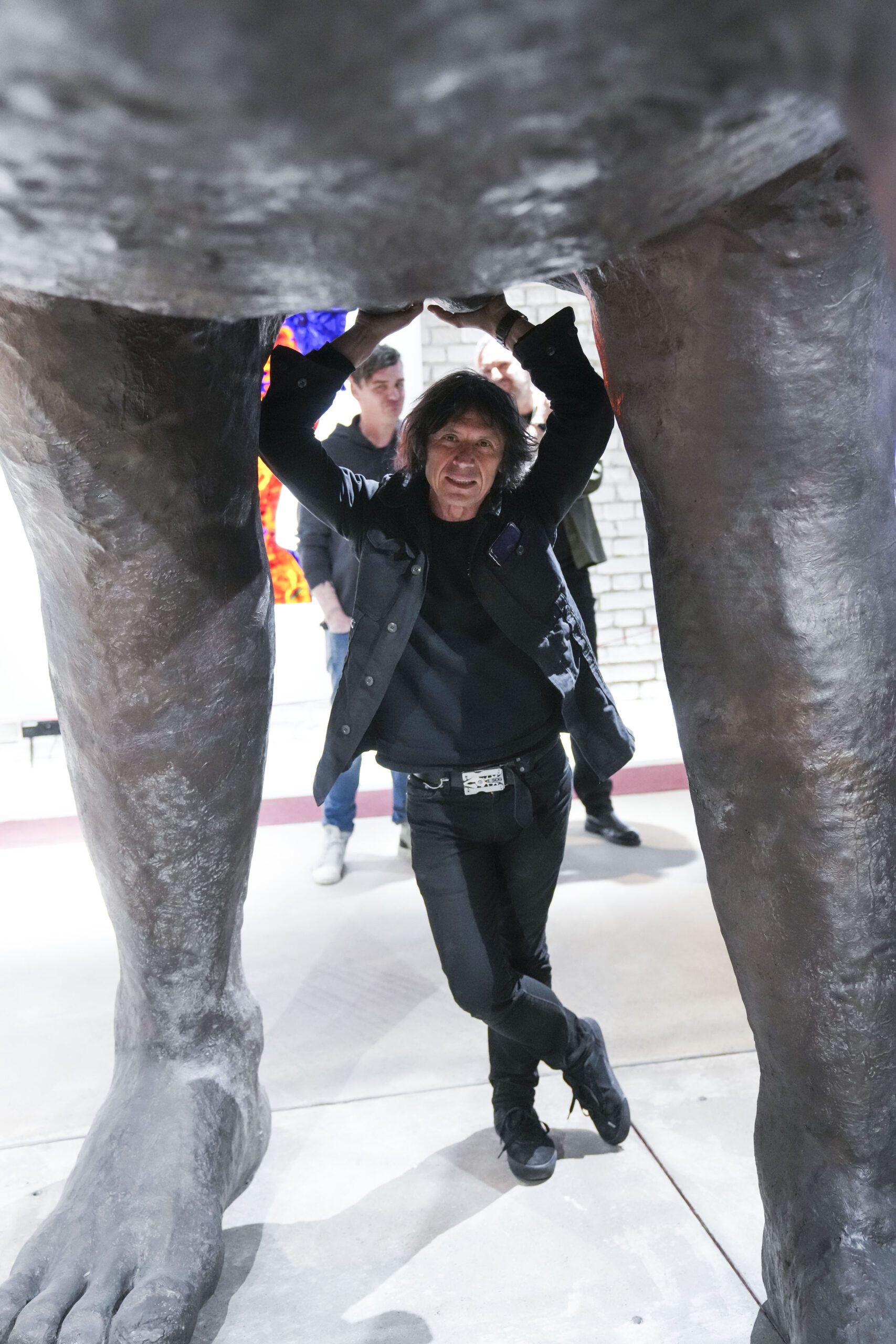
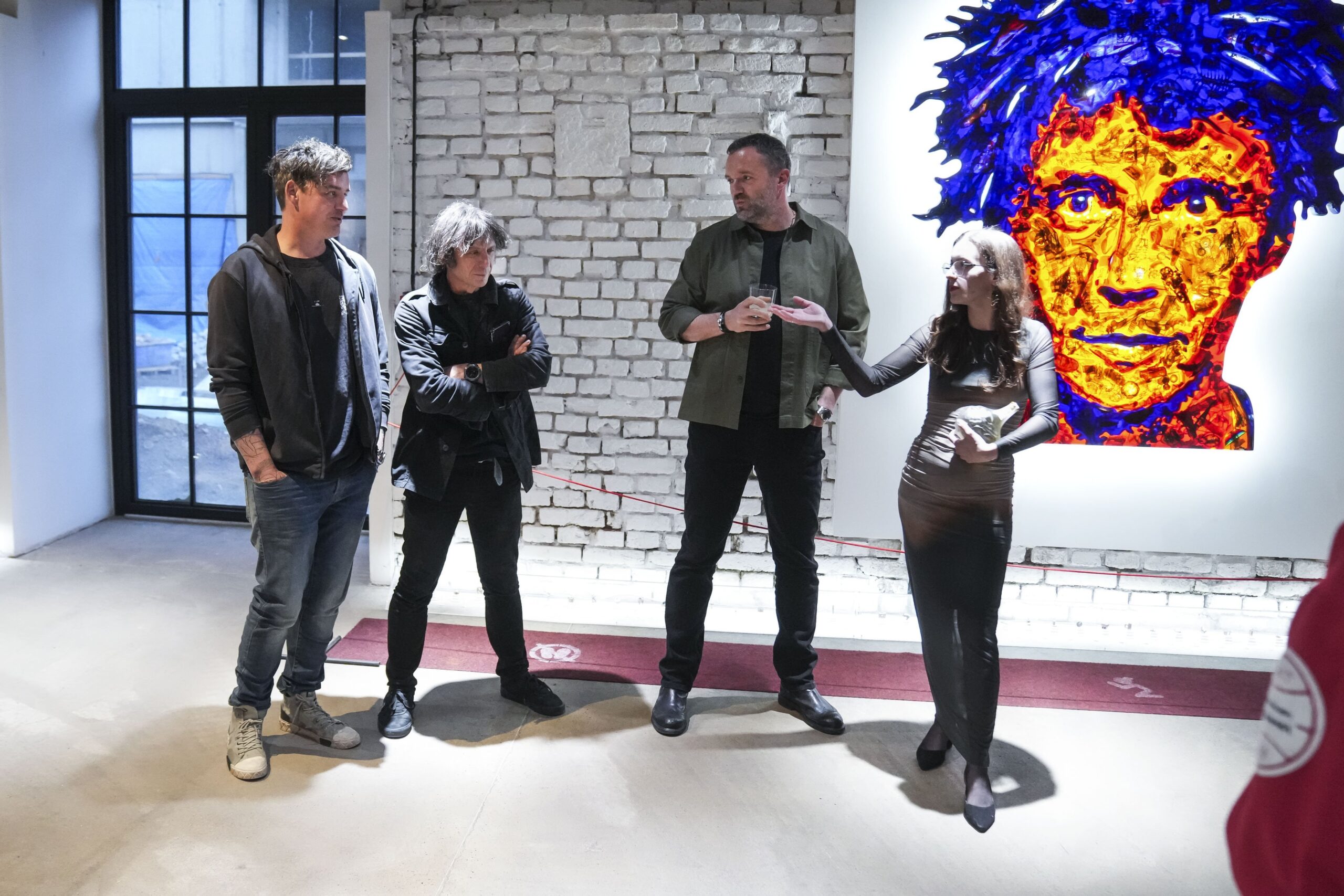
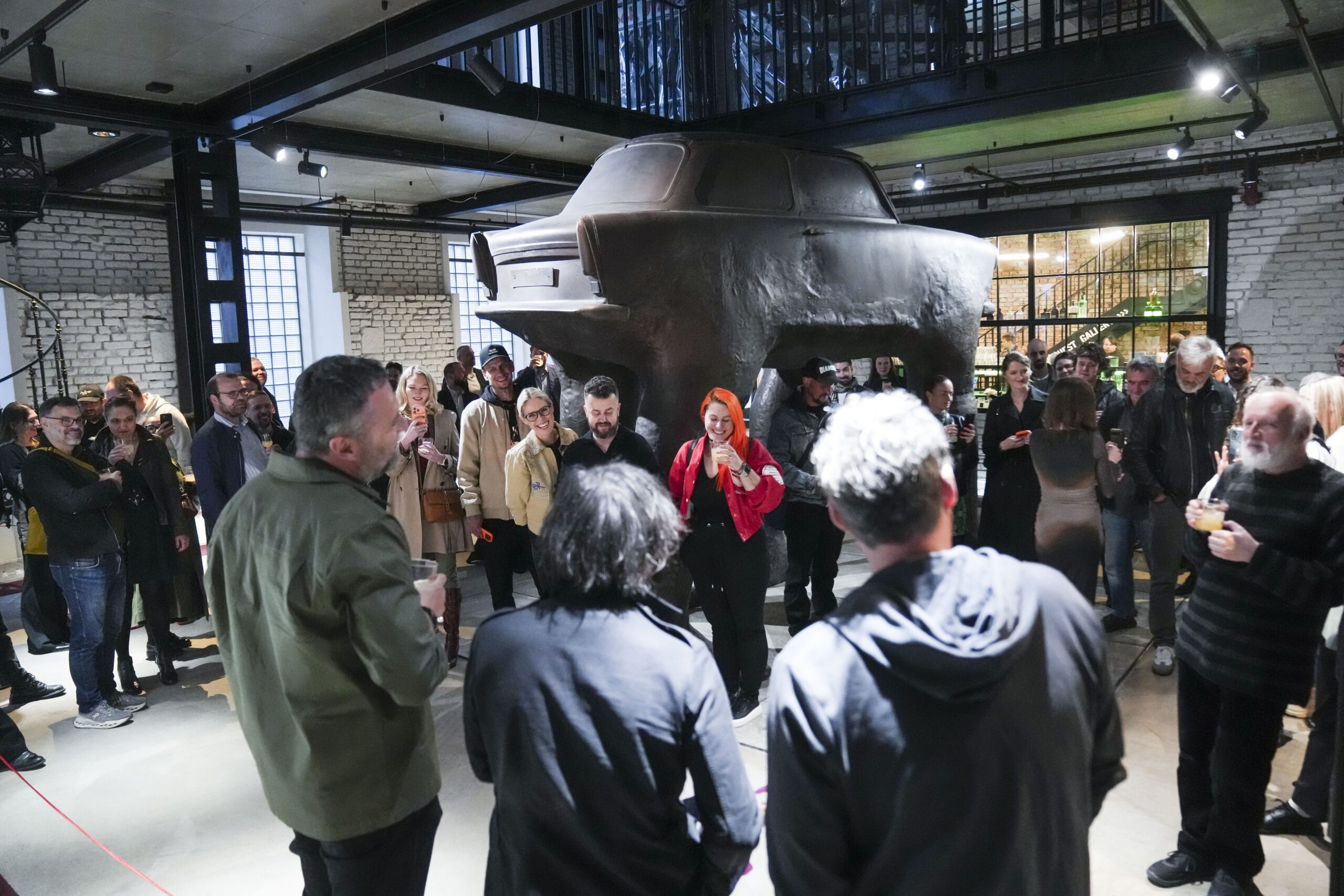
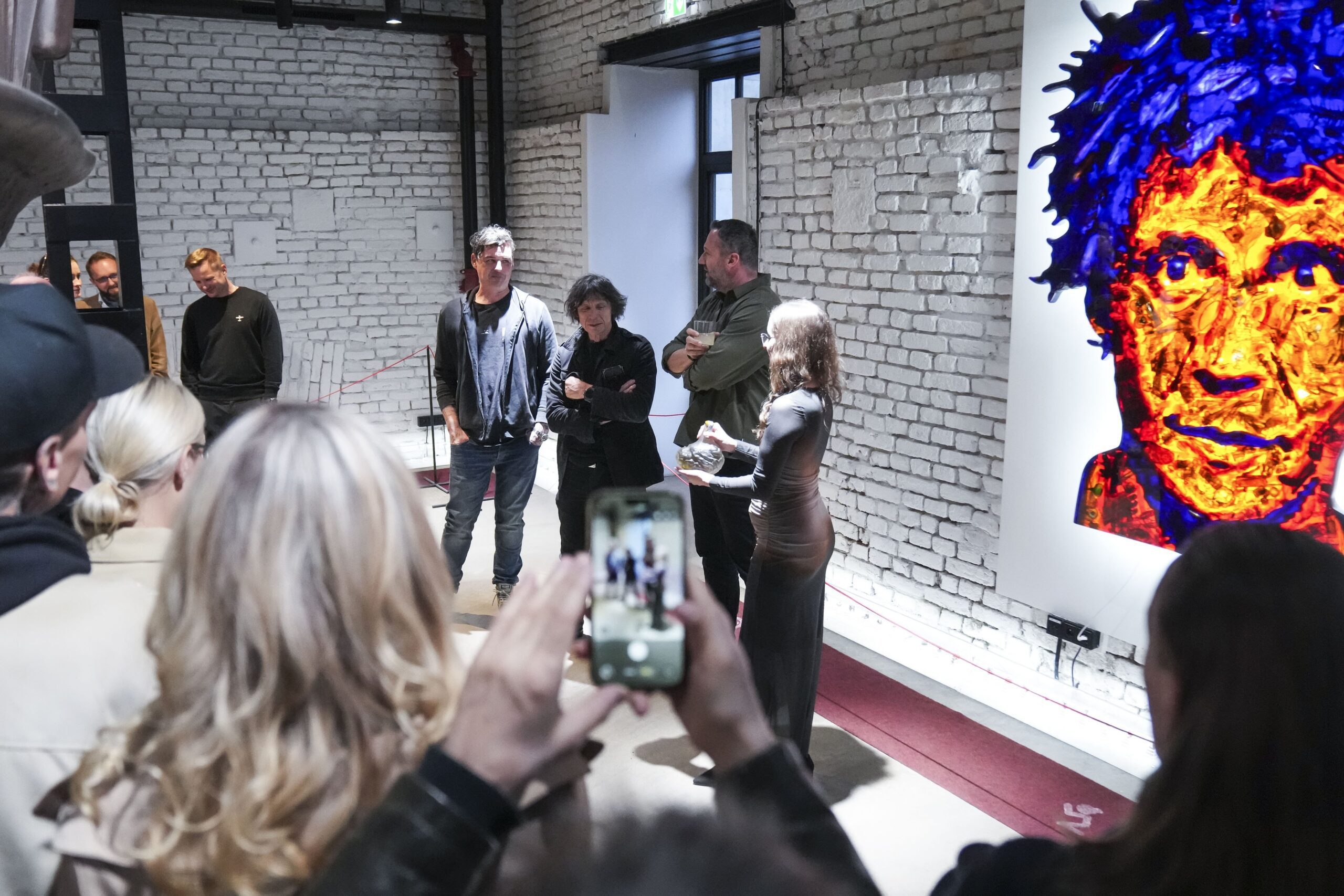
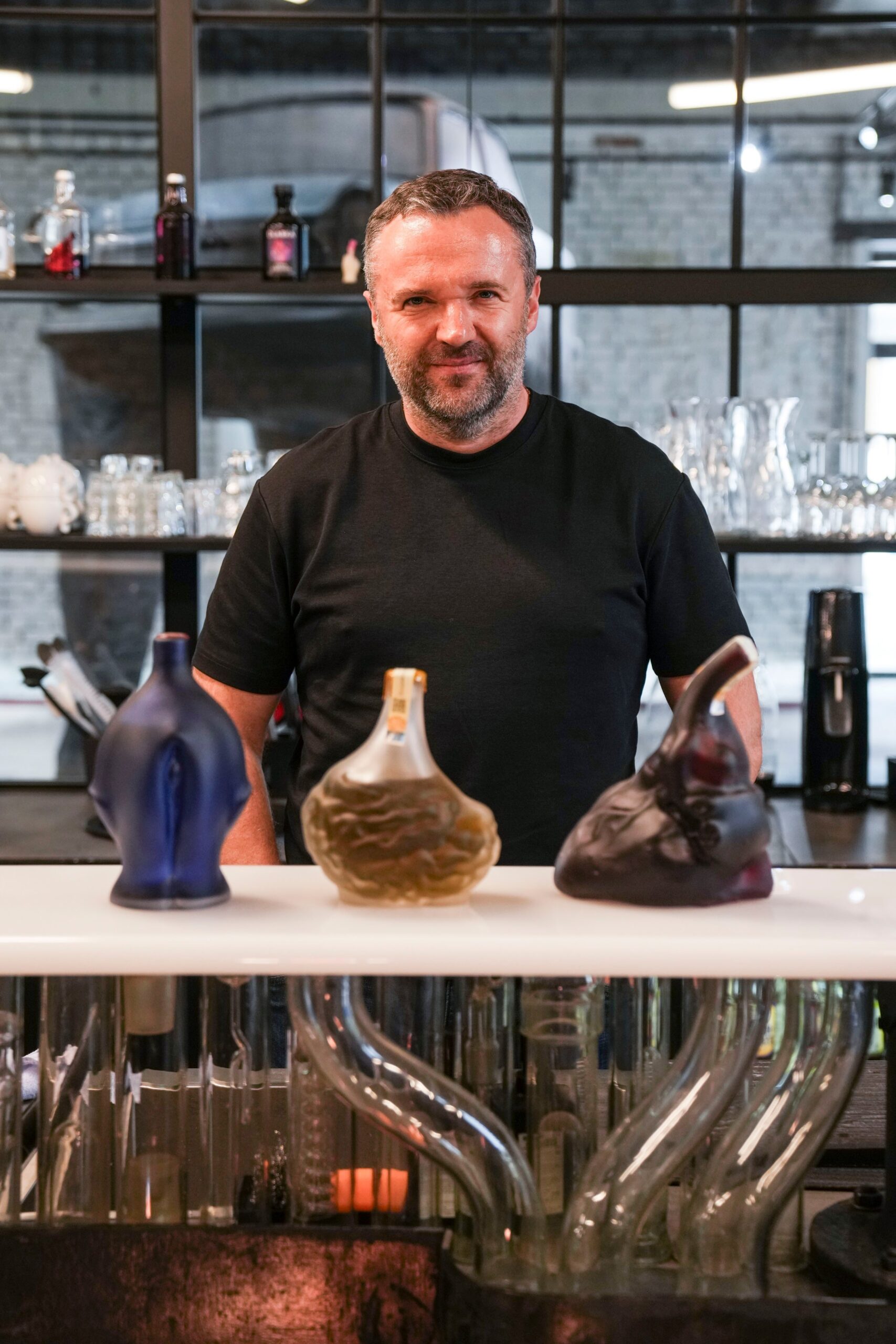
Brainstorm is the third chapter of David Černý's anatomical atlas. It goes step by step according to the importance of individual organs. So after the clitoris and the heart, it's the brain's turn. And when you say brain, in the same breath you have to say mind. And no other spirit in history has supported the mind and creativity like absinthe. Van Gogh and Ernest Hemingway could tell you a thing or two…
Brainstorm turns to the legends of the 19th century – a time when people believed absinthe could awaken visions, strengthen creativity and open hidden corners of the mind. The myths of its hallucinogenic effects were debunked long ago, but the fascination with the "green fairy" has endured. And it is on this tension between reality and legend that our new absinthe is built.
Brainstorm pays tribute to the traditional recipes of the great houses of the Belle Époque, but with a modern twist. Besides the classic trio of wormwood, anise and fennel, we enriched the distillate with herbs that humanity has for millennia associated with wakefulness, dreaminess or deeper concentration. Into the still went the blue lotus of the Egyptian pharaohs, a symbol of calm and meditative relaxation. We added gotu kola, a herb prized by Indian monks for its ability to support a clear mind. And it was all rounded off with guayusa leaves, which hunters in the Amazon traditionally drank before night expeditions to sharpen their senses.
The result is an absinthe that relies not on hallucinations, but on story, symbolism and aromatic complexity. It smells of flowers, earth and roots, with a subtle herbal undertone that takes traditional absinthe into entirely new layers. It is a spirit that honours the craft – but also has the courage to tell a new story.
We don't want to claim that our absinthe opens other worlds. But we believe it can open a different point of view: it invites you to stop, to moments of silence, to a return to your own imagination. And if there is any magic the Green Fairy truly deserves, it is this one.
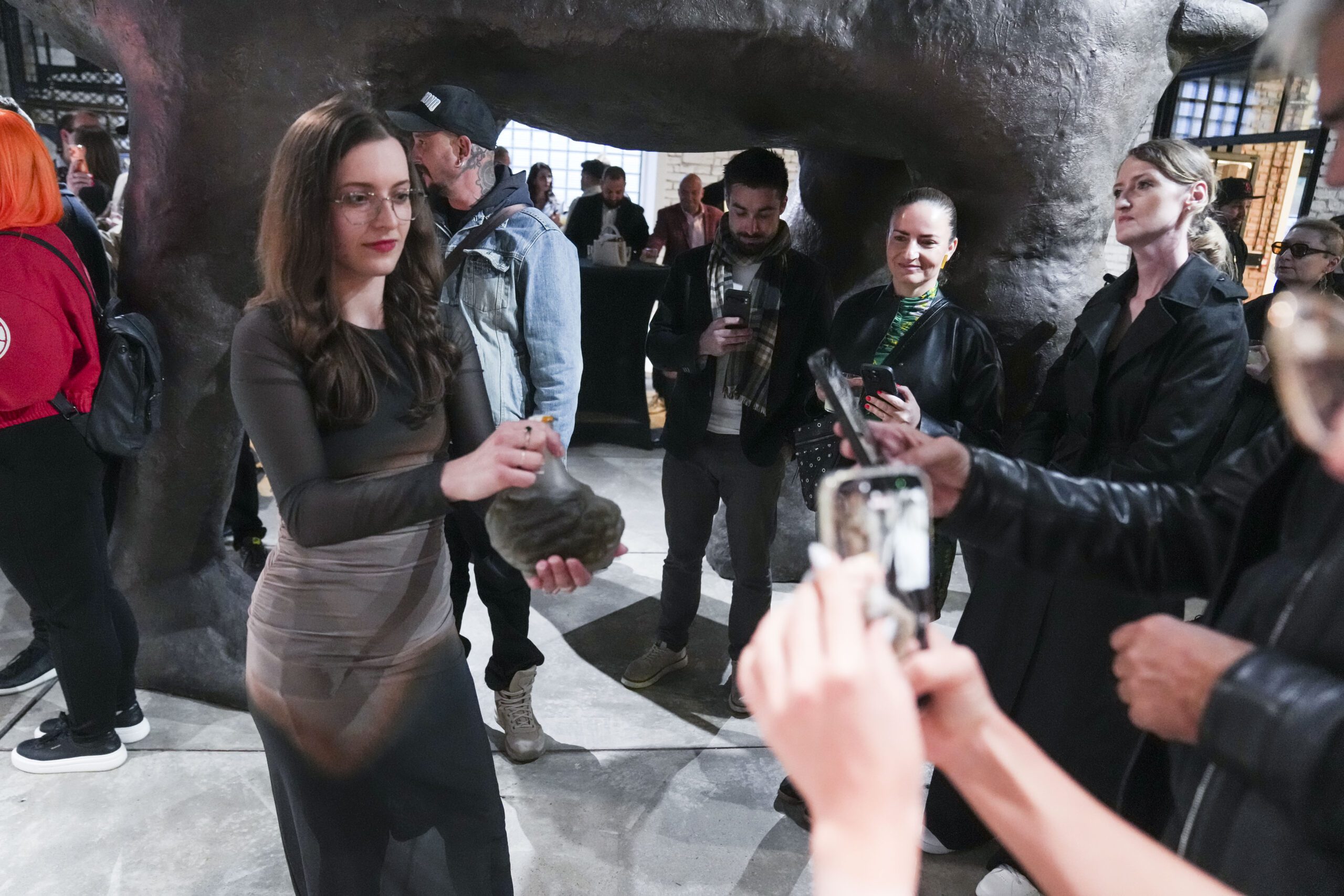
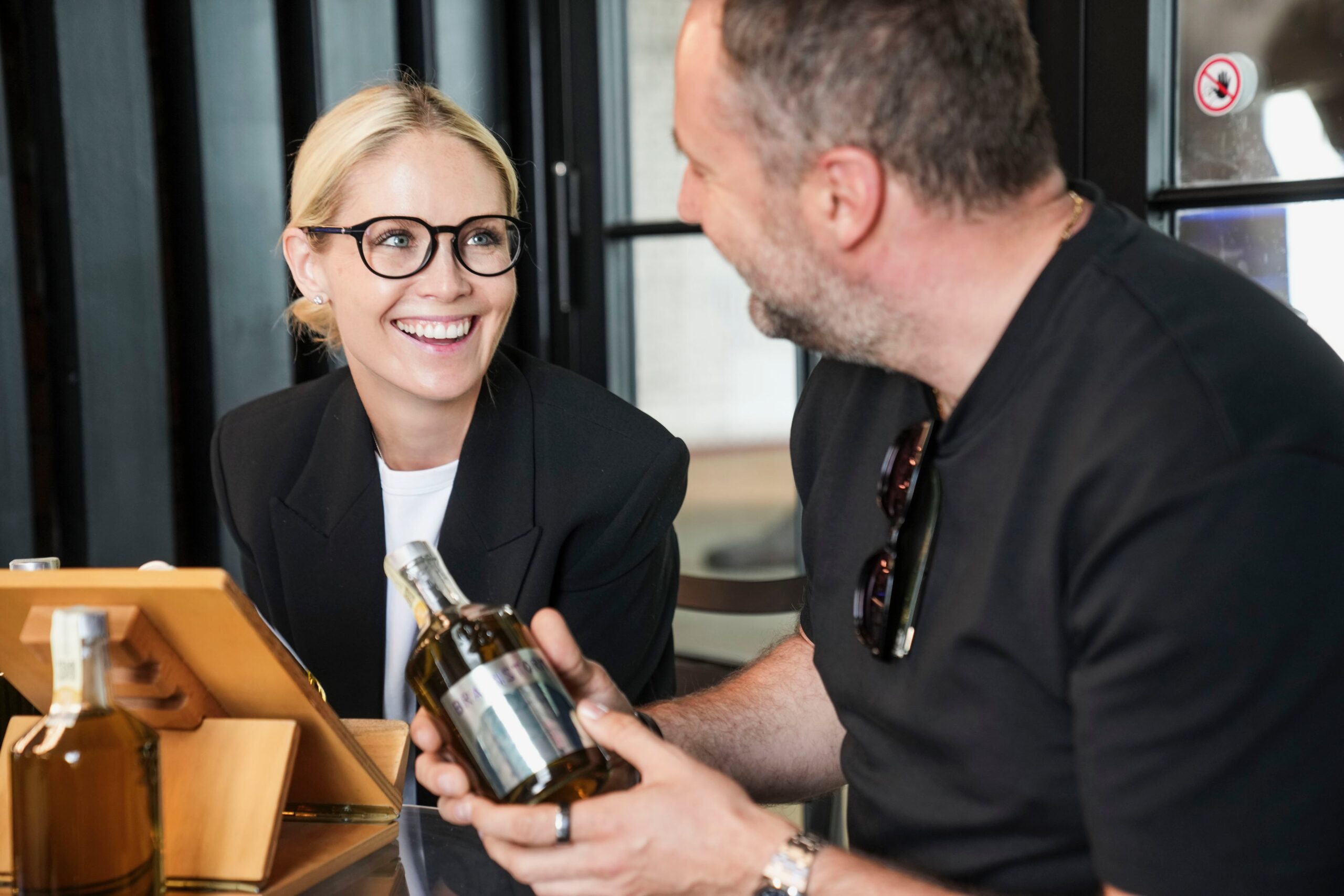
There are only 120 × 0.5 l bottles and 30 × 0.8 l bottles in a collector's edition of hand-blown bottles by Martin Janecký. A glassmaking legend whom even Leonardo comes to see just to touch him, have a coffee with him and brainstorm.
On sale from 12 May 2026
David Černý, born in Prague in 1967 into a family of artists, studied at the Academy of Fine Arts in Prague from 1988 to 1996. In 1990 he received a Special Prize at the Biennale in Kortrijk, Belgium. A year later he began a residency in Boswil after receiving a grant from the Swiss government. In 1994 he moved to New York as an artist in residence at the PS1 gallery. Two years later he completed the Whitney Independent Study Program. In 1996 he received another grant, this time from the Pollock-Krasner Foundation in the United States, and in 2000 he won the Jindřich Chalupecký Award for the most promising visual artist in the country under 35.
www.davidcerny.cz
Martin Janecký, born on 29 February 1980, began working with glass at the age of thirteen in his father's company in the Czech Republic. After graduating from the Secondary School of Glassmaking in Nový Bor, he gained experience in South Africa, Sweden, the Netherlands and above all the USA, where he studied at the Pilchuck Glass School under Richard Royal and William Morris. He soon also became a sought-after teacher. He has been a visiting artist and instructor at many glass programmes, such as The Studio of the Corning Museum of Glass, Pilchuck Glass School, Penland School of Craft and the University of Toyama. He is renowned above all for his masterful command of shaping glass from inside a hot bubble, known as inside bubble sculpting, which he uses to create unique sculptures. In 2019 he founded his own glass studio, Janecký Studio, on Kampa island in Prague. Martin Janecký is today considered one of the best glass sculptors in the world. He exhibits his work in galleries and museums around the world.
www.janecky-studio.com